If there is no such condition as “male brain trapped in a female body”, what causes female-to-male transsexuality?
FTM transsexuality is best understood as a multifactorial problem. Below are five theories that describe different contributing factors.
1. The Neurohormonal Hypothesis
The neurohormonal hypothesis “posits that prenatal androgen exposure organizes parts of the brain (in terms of structure and function) as well as sex-differentiated psychological and behavioral characteristics, including gender identity and sexual orientation. The surge in sex hormones during adolescence is argued to influence parts of the brain to be further expressed in a relatively male- or female-typical manner, based on the earlier prenatal brain organization.” (Skorska et al., 2022)
Some evidence has been found in support of the neurohormonal hypothesis, but only in Early Onset (Homosexual) Transsexuals. This is because male-like “cerebral sexual differentiation” is the cause of homosexuality, not transsexuality, in females.
According to the neurohormonal hypothesis, the difference between FTM HSTS (“persisters”) and non-transsexual lesbians (“desisters”) might be due to differences in activational hormone levels during adolescence: “Returning to the neurohormonal theory of brain and behavior differentiation, it seems that in children who have no problems with their gender identity and those who experience GD at these ages and continue to do so after puberty (persisters), gender identity does not seem to have been affected by sex hormone activation…However, for those children whose GD fades (desisters) the activational effects of sex hormone and environmental influences during puberty might play a significant role.” (Guillamon et al., 2016)
A different theory involving the timing of androgen exposure has been proposed to explain the difference between masculine-behaving and unmasculine-behaving lesbians: “...if one assumes that present results are accurate, then the finding that some lesbians show male-typical sexual arousal is unrelated to their male-typical nonsexual characteristics and vice versa. Their sexual and nonsexual traits could therefore be affected by different factors. For example, hormonal exposure at different timeframes during early development might be responsible for their independent expressions.” (Rieger et al., 2016)
In both cases, however, there is insufficient evidence in support of these theories. Rather than the organizational or activational effects of hormones, these differences might be attributed to social factors. For this reason, some argue that Early Onset (Homosexual) Transsexuals have “brain-restricted intersexuality”, while others argue it is the result of homophobia and misogyny.
Additionally, Ray Blanchard has wisely noted a problem with these studies:
"...I would say we could basically shut our ears to MRI findings for the next 20 years, until people start producing studies with thousands of cases instead of dozens of cases. So much of this early work that was done in neuroimaging...a lot of it was just done with sample sizes that are too small. I would think anybody, whichever side of this debate they're on, would be ill-advised to base their arguments on the biological data currently available, because it could change in a flash and their whole argument will be left in tatters..."
Notably, Skorska et al. (2022) did not find evidence in support of the neurohormonal hypothesis in a sample of gender dysphoric adolescents, including those who were same-sex attracted. It is therefore possible that the neurohormonal hypothesis is not correct, even for Early Onset (Homosexual) FTMs.
2. The Own-Body Perception/Self-Referential Thinking Hypothesis
The own-body perception/self-referential thinking hypothesis “posits that due to the incongruence between experienced gender and sex assigned at birth, GD individuals should show unique brain function patterns related to body perception and self-referential thinking.” (Skorska et al., 2022)
Research on the brains of transsexuals supports this theory. See: Burke et al. (2017), Manzouri & Savic (2019), Skorska et al. (2022).
3. Social Contagion Theory
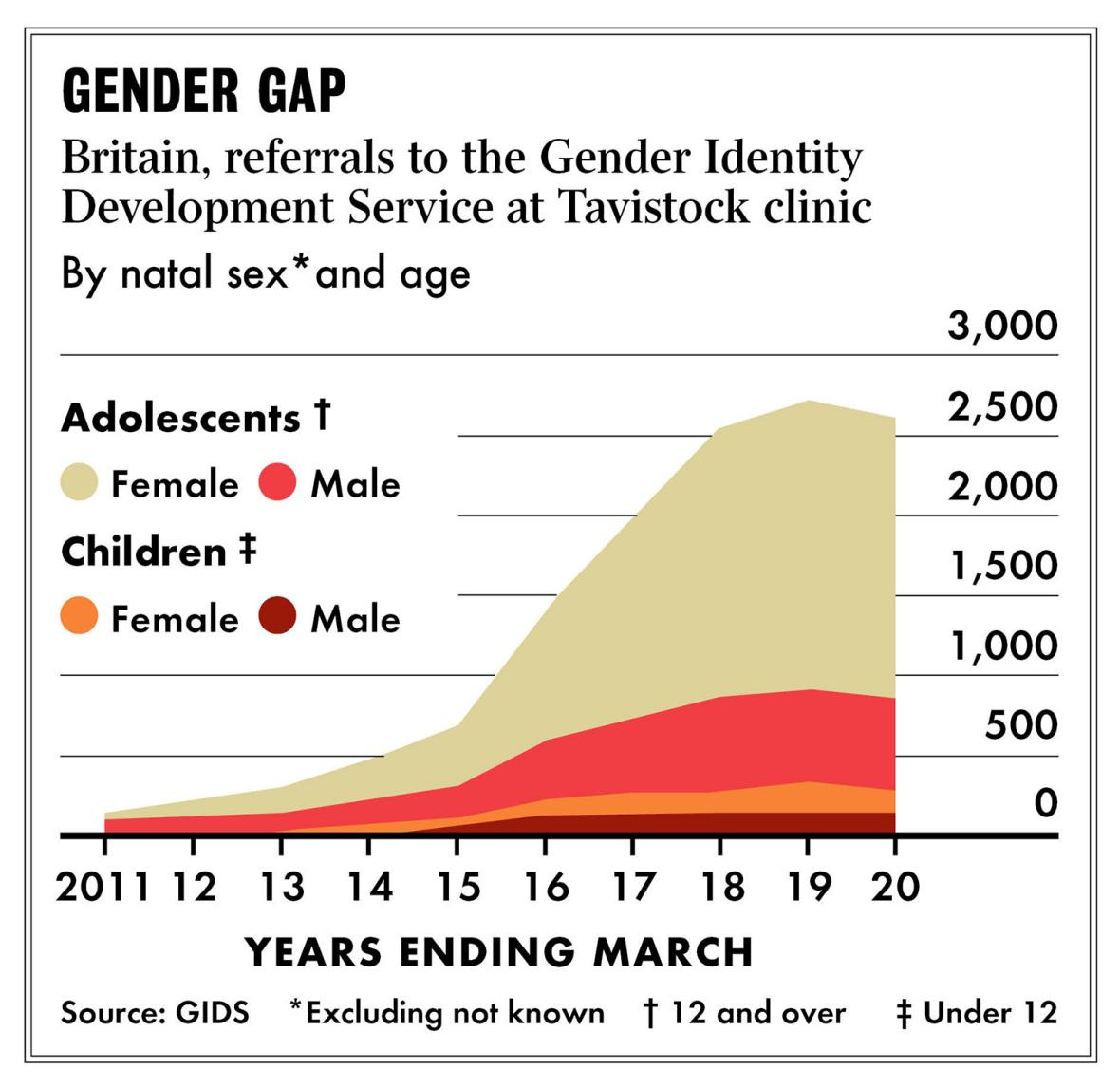
Also called “Rapid Onset Gender Dysphoria”, it explains the sudden rise in transgender identity among adolescent females during the 2010s. This was the subject of Abigail Shrier’s Irreversible Damage, and gender critical websites like Sex Reality Bites have recorded some clear examples of this.
That being said, the theory is sometimes blown out of proportion by its proponents, undermining its validity. For example, I have heard a claim that 50% of the fifth grade girls at PS 107, Park Slope Brooklyn, identified as transgender, due to the influence of a transgender teacher. A shocking claim, and if it is true it is clear evidence of social contagion. However, no evidence has been produced in support of this claim. Without evidence, unsupported claims do not support social contagion theory and can rightfully be described as “scaremongering”.
4. Feminist Theory
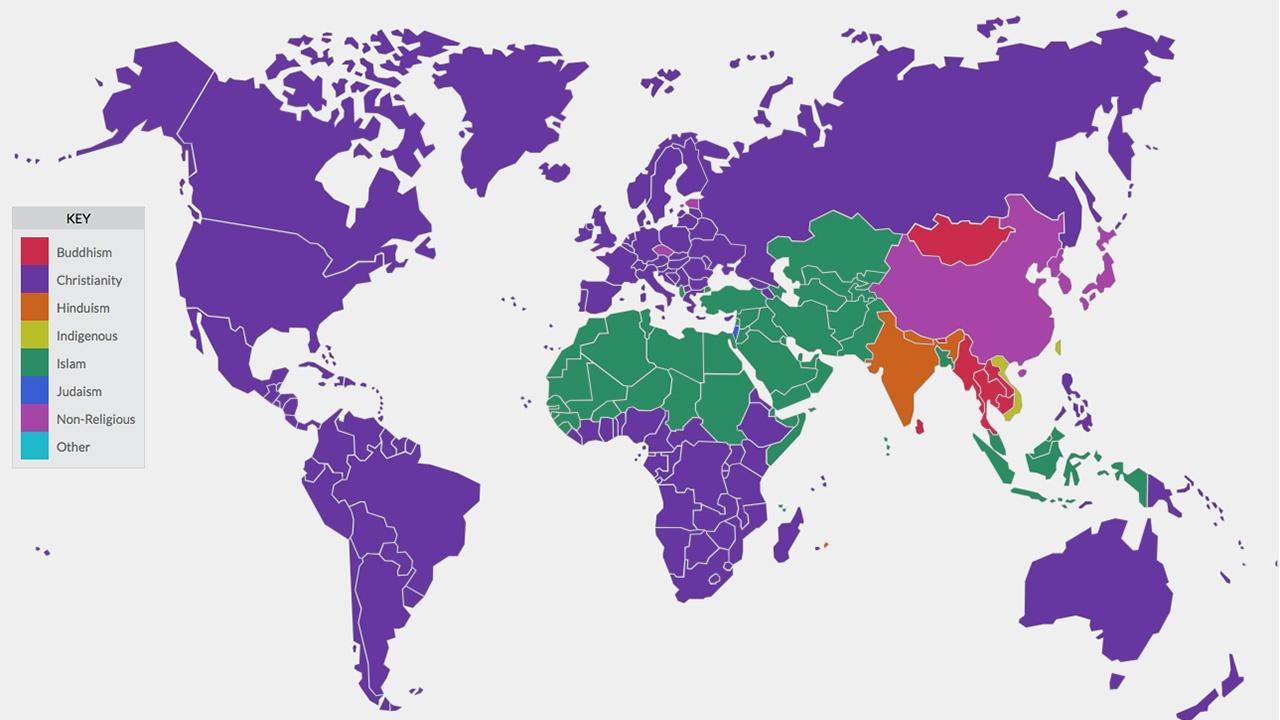
Christianity, the dominant religion in the West, teaches that women are inferior to men. So do the other Abrahamic religions. In East Asia, where Buddhism and atheism dominate, the culture is deeply influenced by Confucianism, which also teaches male superiority. Hinduism is the dominant religion in the Indian subcontinent, which lags behind in terms of the Gender Inequality Index.
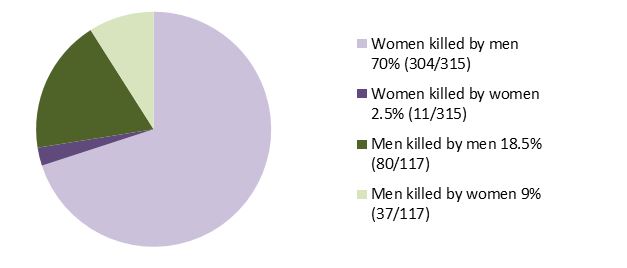
Furthermore, females are the weaker and less aggressive sex. Women are more likely to be victims of domestic violence and sexual abuse. One of the "six major factors of traumatic sexuality" is dissociation during sex, which produces alienation and distress towards one's sexual biology (Gewirtz-Meydan & Lassri,
2023)(Gewirtz-Meydan & Godbout,
2023)
. The high rates of sexual abuse described in the US Trans Survey suggest a pattern, where sexual trauma can trigger female-to-male transition.
5. Autoandrophilia Theory
Autoandrophilia can be defined as “the paraphilic tendency to be sexually aroused by the thought or image of oneself as a man”.
The Theory of Autoandrophilic Gender Dysphoric is controversial, even among experts, but the notion that it does not exist at all makes little sense. It is irrefutable that autoandrophilia is a paraphilia that sometimes occurs in natal females. Why wouldn’t some autoandrophiles transition to fulfill their fantasy, especially when testosterone can be accessed so easily through informed consent clinics and activists constantly downplay the risks?
For this simple reason, it is likely that autoandrophiles account for some proportion of FTM transsexuals. This might also explain why FTM transsexuality sometimes resists traditional therapies designed to treat body image disorders: it can be linked to a person’s sexuality.
References
Bártová, K., Androvičová, R., Krejčová, L., Weiss, P., & Klapilová, K. (2021). The prevalence of paraphilic interests in the Czech population: Preference, arousal, the use of pornography, fantasy, and behavior. The Journal of Sex Research, 58(1), 86-96. https://doi.org/10.1080/00224499.2019.1707468
Brown, A., Barker, E. D., & Rahman, Q. (2020). Erotic target identity inversions among men and women in an internet sample. The Journal of Sexual Medicine, 17(1), 99-110 https://doi.org/10.1016/j.jsxm.2019.10.018
Gewirtz-Meydan, A., & Godbout, N. (2023). Between pleasure, guilt, and dissociation: How trauma unfolds in the sexuality of childhood sexual abuse survivors. Child Abuse & Neglect, 141, 106195. https://doi.org/10.1016/j.chiabu.2023.106195 Gewirtz-Meydan, A., & Lassri, D. (2023). Sex in the shadow of child sexual abuse: the development and psychometric evaluation of the post-traumatic sexuality (PT-SEX) scale. Journal of interpersonal violence, 38(5-6), 4714-4741. https://doi.org/10.1177/08862605221118969 James, S. E., Herman, J. L., Rankin, S., Keisling, M., Mottet, L., & Anafi, M. (2016). The Report of the 2015 U.S. Transgender Survey. Washington, DC: National Center for Transgender Equality. https://transequality.org/sites/default/files/docs/usts/USTS-Full-Report-Dec17.pdf Rieger, G., Savin-Williams, R. C., Chivers, M. L., & Bailey, J. M. (2016). Sexual arousal and masculinity-femininity of women. Journal of Personality and Social Psychology, 111(2), 265. https://doi.org/10.1037/pspp0000077 Skorska, M. N., Lobaugh, N. J., Lombardo, M. V., van Bruggen, N., Chavez, S., Thurston, L. T., ... & VanderLaan, D. P. (2022). Inter-network brain functional connectivity in adolescents assigned female at birth who experience gender dysphoria. Frontiers in Endocrinology, 13, 903058. https://doi.org/10.3389/fendo.2022.903058



Comments
Post a Comment